

Jyoti World Advances Scientific Injection Molding for Precision and Regulated Parts
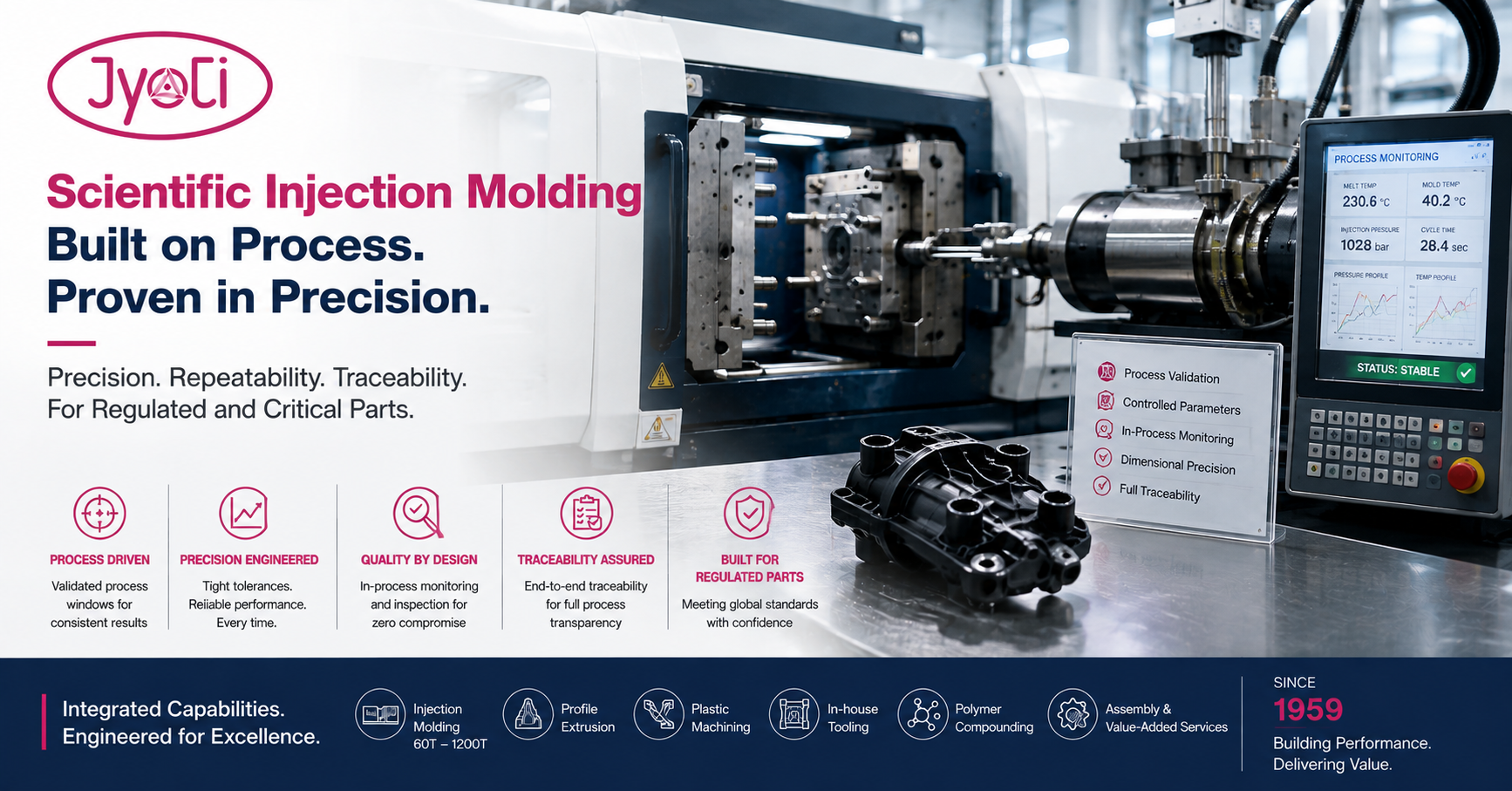
Scientific Injection Molding for Precision and Critical Plastic Components

Jyoti World Plant Top View
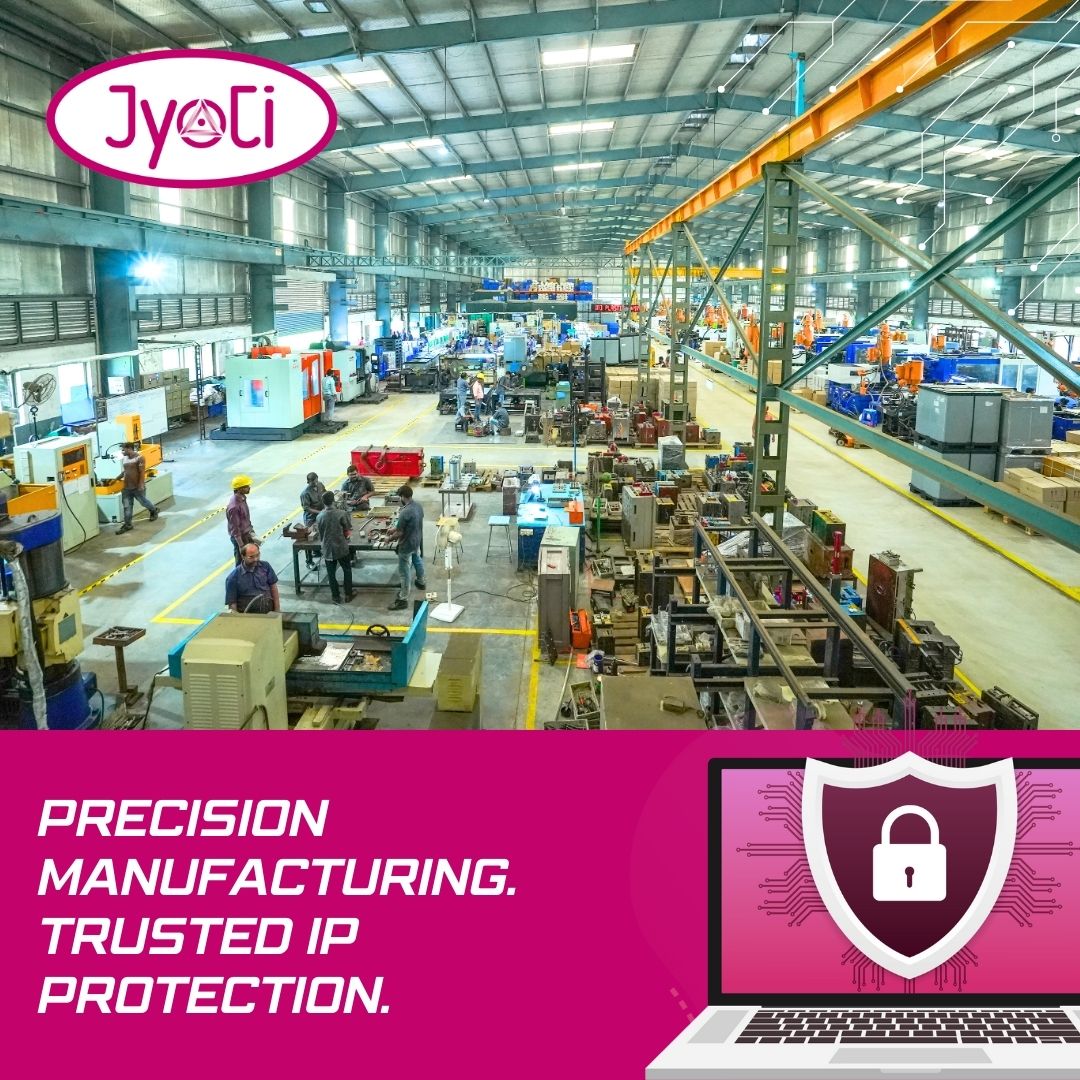
Toolroom and in-house mold development ensure confidentiality and rapid prototyping at Jyoti World.
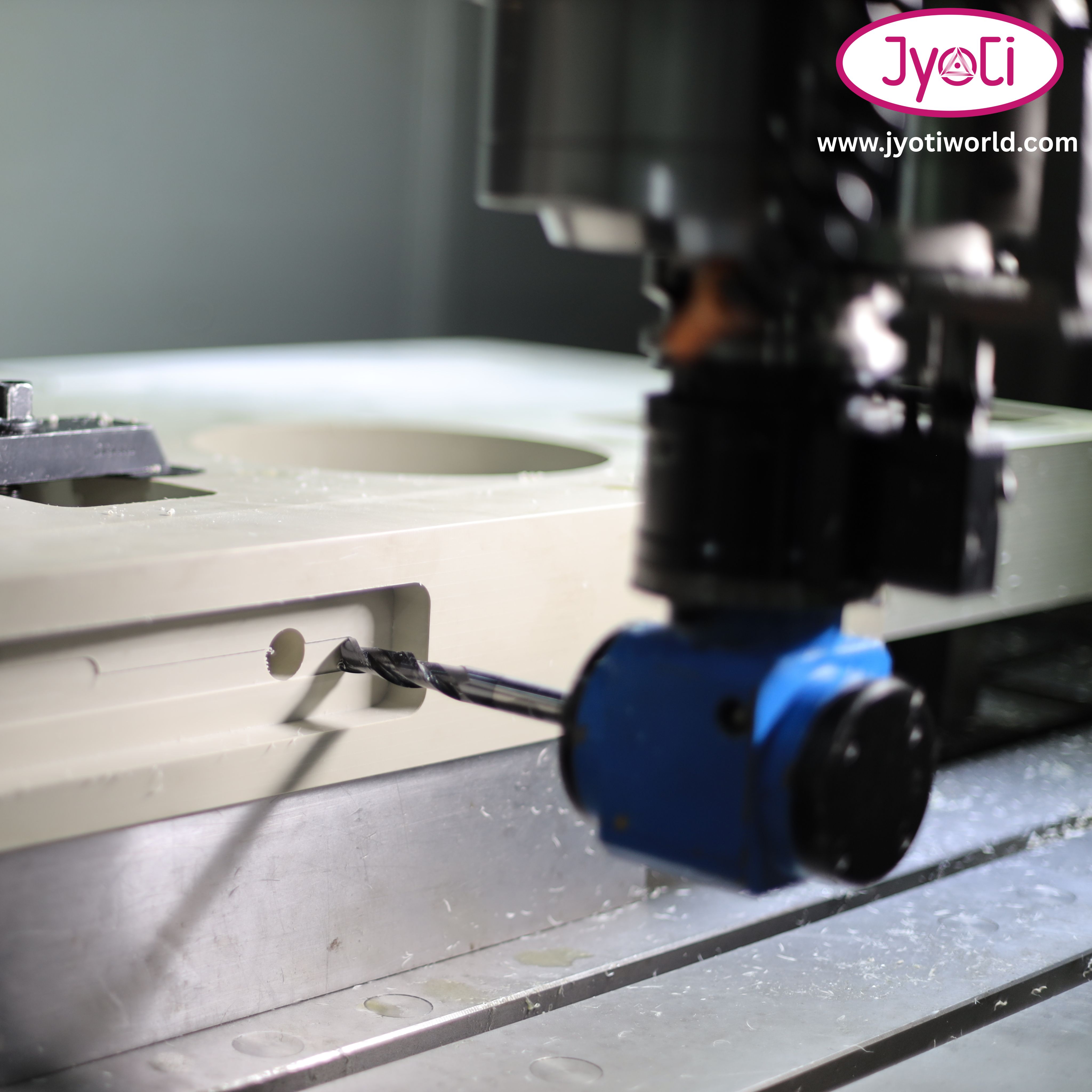
Machining
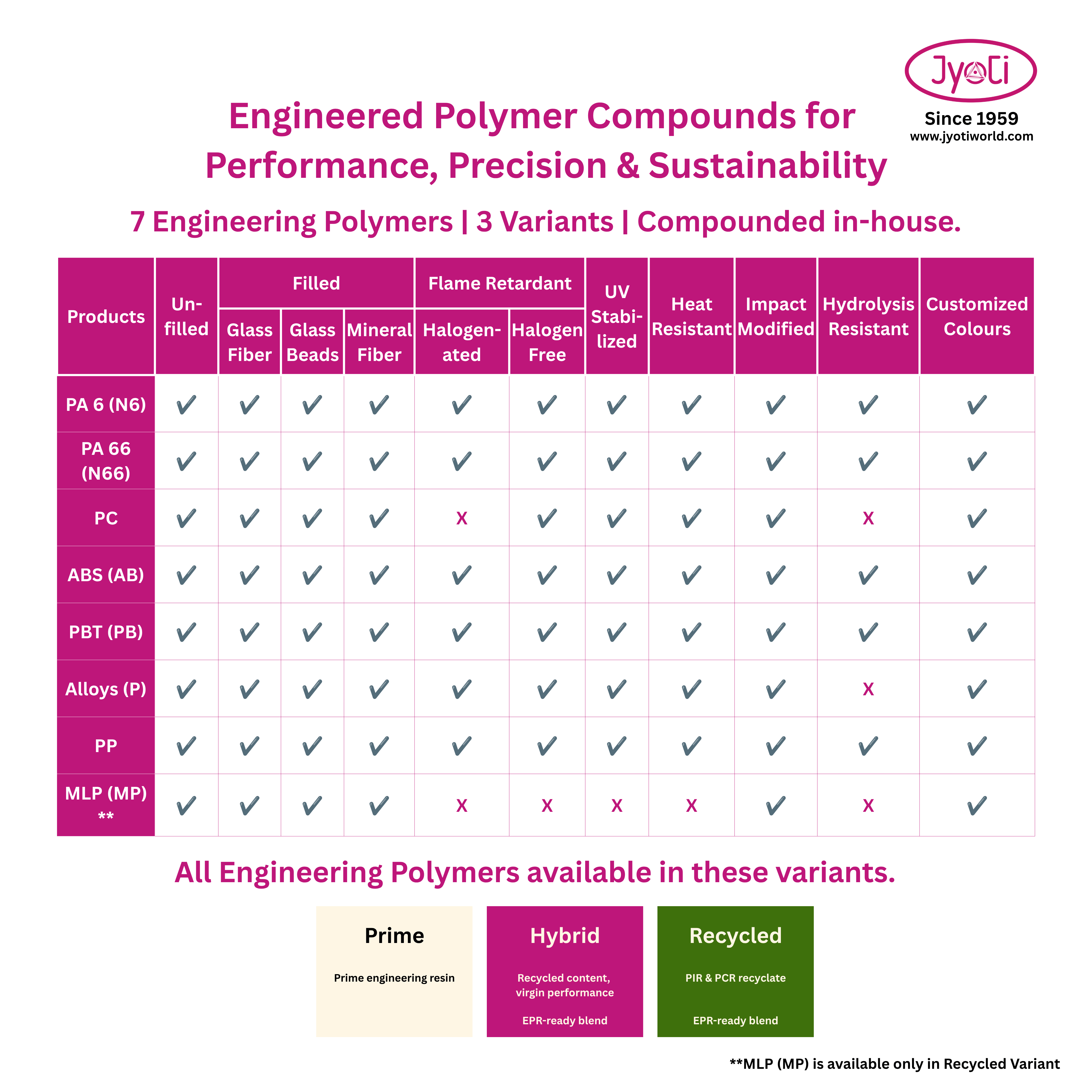
Polymer Compounds
Process validation, controlled molding windows and traceability are redefining how critical plastic components are manufactured for global OEMs.
MUMBAI, MAHARASHTRA, INDIA, August 14, 2026 /EINPresswire.com/ -- As global OEMs demand greater consistency, traceability and process control from their plastics suppliers, Jyoti World Private Limited is strengthening its focus on Scientific Injection Molding for precision, critical and specification-driven plastic components.
The company believes that for parts subject to stringent dimensional, functional, performance or regulatory requirements, precision cannot be achieved simply by investing in advanced injection molding equipment. It requires a disciplined manufacturing system in which material, tooling, machine parameters, process windows and quality controls work together to deliver repeatable results.
With more than four decades of experience in the plastics industry, Dr. Raju Desai, Senior Director, Jyoti World Private Limited and President, Plastindia Foundation, sees process discipline as one of the defining requirements for the next generation of plastics manufacturing.
Moving Injection Molding From Experience to Process Science:
Traditional injection moulding has often relied heavily on operator experience and on adjusting machine settings until an acceptable part is produced.
Scientific Injection Molding takes a different approach.
Instead of treating machine settings as fixed numbers, the process is developed around the relationship between material behaviour, mold design and measurable process variables.
Parameters such as melt temperature, injection speed, injection pressure, transfer position, packing pressure, holding time, mold temperature and cooling conditions are studied to establish a defined and repeatable process window.
Once that process window is established, production can be controlled against the parameters that matter rather than relying on operator judgement alone.
For critical components, this distinction can be significant.
A part may pass dimensional inspection today while the underlying process remains vulnerable to material variation, temperature changes, tooling wear or process drift. Scientific molding seeks to identify and control those variables before they become recurring quality problems.
Precision Begins Before the First Production Shot:
For a precision component, quality begins long before production.
Material selection and conditioning, mold design, gate location, cooling, venting and cavity balance can all influence the final part.
Jyoti World's approach connects these stages through design and development, Moldflow simulation, in-house tooling, scientific molding and injection molding, allowing potential process risks to be evaluated before full-scale production.
The objective is to establish a robust manufacturing process rather than simply optimise a single production cycle.
This becomes increasingly important when components have tight dimensional tolerances, critical interfaces, pressure or load requirements, demanding environmental conditions, or stringent customer specifications.
Process Validation Creates Repeatability:
A validated molding process provides a reference against which production can be controlled.
Jyoti World's approach involves establishing process parameters through trials and then monitoring the agreed operating window during production.
Key process variables can include:
- Melt and barrel temperature profiles
- Injection speed and pressure
- Transfer position
- Hold pressure and hold time
- Mold temperature
- Cooling time
- Cycle time
- Cushion and other machine/process indicators
Monitoring these variables helps identify process drift before it translates into dimensional or functional variation.
For high-volume production, this becomes especially important. The objective is not merely to achieve a low rejection rate; it is to build a process capable of maintaining predictable output over extended production runs.
From Quality Inspection to Process Control:
One of the fundamental principles behind Scientific Injection Molding is that quality should be built into the process rather than inspected into the product.
Final inspection remains important, but inspection alone cannot prevent variation that originates upstream.
A process-controlled manufacturing system instead combines:
Material control → Tool control → Process validation → Parameter monitoring → In-process inspection → Final verification → Traceability
This approach gives OEMs greater visibility into how a component was produced and provides a structured basis for investigating deviations when they occur.
For regulated or highly specification-driven applications, such process discipline can become an important part of supplier qualification.
Precision at Scale:
Precision molding must also remain stable as production volumes increase.
Jyoti World operates injection molding capabilities ranging from 60 tonnes to 1200 tonnes, enabling components of different sizes and geometries to be matched with appropriate molding equipment.
The company combines injection molding with in-house tooling, polymer compounding, plastic machining and value-added manufacturing, creating an integrated manufacturing environment in which material, tooling and processing can be evaluated together.
This integration is particularly relevant when component performance depends on the interaction between the polymer grade and the molding process.
A material may have excellent properties on paper, but the final component can only deliver those properties consistently when the material is processed within an appropriate and controlled window.
The Next Competitive Advantage Is Process Capability:
According to Dr. Desai, the global plastics industry is moving toward a model where manufacturing capability will increasingly be judged not only by machine capacity, but by the ability to demonstrate process capability, repeatability and documented control.
“The future of precision plastics manufacturing will belong to companies that can demonstrate process capability, not simply production capacity. Machines make parts; controlled processes make consistent parts.”
For OEMs, this distinction can reduce the risks associated with dimensional variation, assembly failures, field performance issues, production interruptions and supplier-to-supplier inconsistencies.
It also creates a stronger foundation for global supplier qualification, where customers increasingly expect manufacturing partners to demonstrate how processes are developed, validated, monitored and controlled.
India's Opportunity in High-Precision Plastics Manufacturing:
As global OEMs diversify their manufacturing and sourcing networks, India has an opportunity to move beyond cost-based manufacturing and compete on engineering capability, process discipline and manufacturing reliability.
Jyoti World is positioning its Scientific Injection Molding capability as part of this broader transition.
With a manufacturing legacy dating back to 1959, the company combines plastics processing experience with engineering design, in-house tooling, polymer compounding, injection molding, machining and assembly capabilities.
Its focus is to support OEMs requiring precision plastic components where repeatability, process control, dimensional consistency and documented quality are as important as production capacity.
Jyoti World is engaging with global OEMs, procurement teams, product engineers and manufacturing organisations across the United States, United Kingdom, Europe and other international markets seeking capable partners for precision and critical plastic components.
About Jyoti World Private Limited:
Founded in 1959, Jyoti World Private Limited is an Indian plastics manufacturing company providing integrated solutions across polymer compounding, injection molding, profile extrusion, plastic machining, tooling and value-added manufacturing.
The company combines engineering, tooling, material expertise and plastics processing to support OEM and industrial applications, with a focus on precision, repeatability, sustainability and long-term manufacturing partnerships.
Poorwal Oak
Jyoti World Private Limited
+91 84228 69122
email us here
Visit us on social media:
LinkedIn
YouTube
Facebook
High-Precision Injection Molding | Micron-Level Accuracy for Reliable Performance
Legal Disclaimer:
EIN Presswire provides this news content "as is" without warranty of any kind. We do not accept any responsibility or liability for the accuracy, content, images, videos, licenses, completeness, legality, or reliability of the information contained in this article. If you have any complaints or copyright issues related to this article, kindly contact the author above.
