

National Museum of Nuclear Science & History to Open Significant Collection of Unclassified Nuclear Artifacts
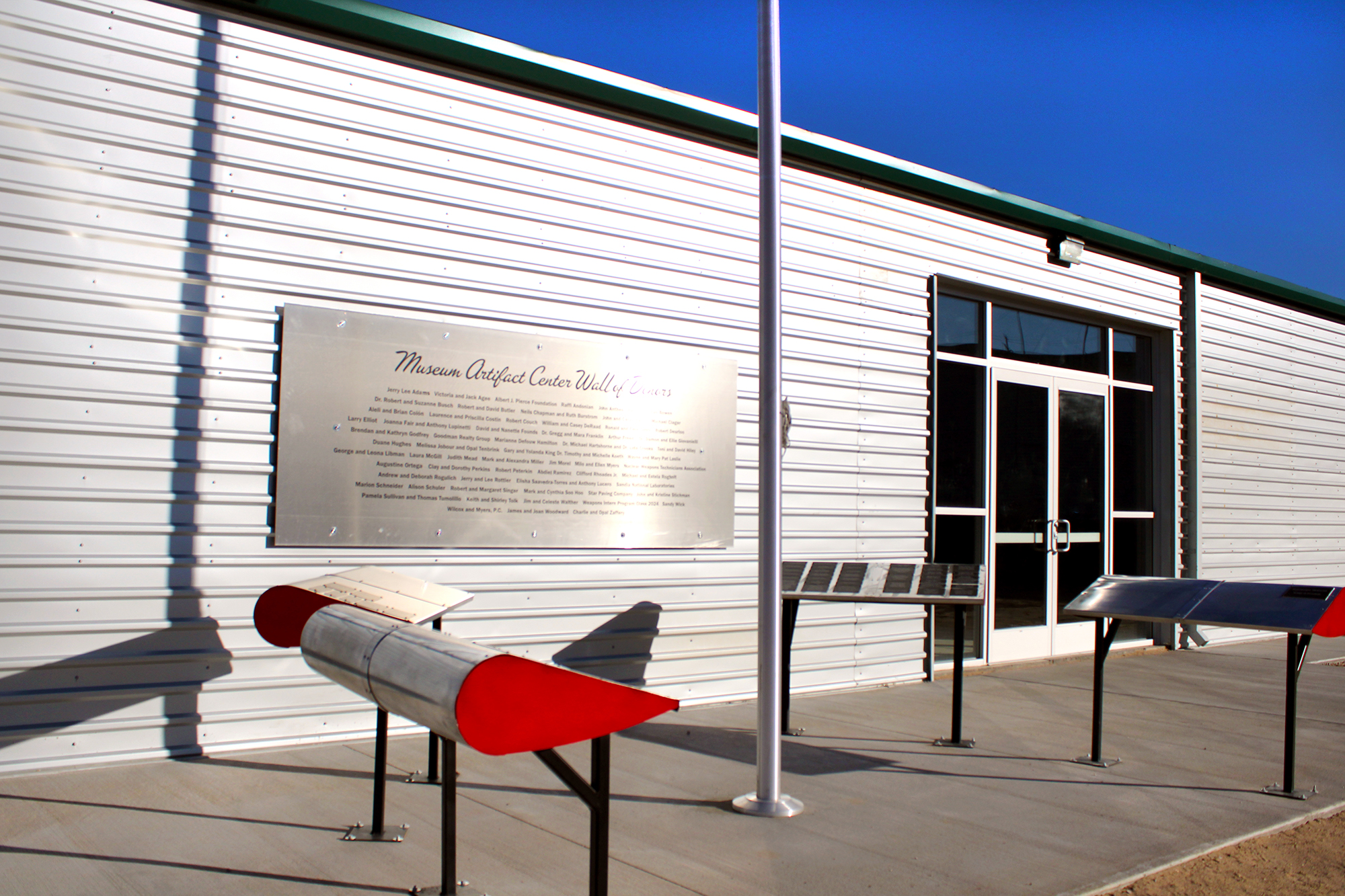
The National Museum of Nuclear Science & History's Museum Artifact Center
The National Museum of Nuclear Science & History opens the Museum Artifact Center on March 2. See rare nuclear artifacts kept in restricted storage since 2001
The Museum Artifact Center (MAC) officially opens to the public on March 2, offering an unprecedented look at the machines that shaped the modern world.
The National Museum of Nuclear Science & History is proud to announce the opening of the Museum Artifact Center (MAC) on March 2, 2026. For the first time in nearly a quarter-century, the public will have access to an extensive collection of unclassified nuclear artifacts, many of which were previously held in restricted storage since 2001.
The MAC serves as an important addition to the museum’s campus, housing iconic technology, components, and machinery that were instrumental to the Cold War, the Atomic Age, and the evolution of nuclear science. This "open storage" experience offers a rare look at the engineering marvels that defined global geopolitics and scientific progress for nearly a century.
The opening marks a long-awaited return for these artifacts, which were removed from public view after the closure of the museum's original location on Kirtland Air Force Base in September 2001.
“This collection represents more than just machinery; it represents the history of our modern era," said Jennifer Hayden, President and CEO of the National Museum of Nuclear Science & History. "By opening the MAC, we are inviting the public to witness the actual Cold War artifacts that have been out of public view since 2001.”
Key Highlights of the Museum Artifact Center include:
• Cold War Technology: Access over 40 unclassified artifacts, including handling equipment and deployment systems, many of which have been largely inaccessible to the public since the original museum location on Kirtland Air Force Base closed in 2001.
• The Mk-6 Nuclear Bomb: An improved design of the "Fat Man" bomb dropped on Nagasaki, the Mk-6 was the first mass-produced nuclear weapon in the United States.
• The Thor Test Pod: A rare piece of instrumentation used in high-altitude nuclear testing to measure radiation and blast effects, directly contributing to early breakthroughs in space research.
• The B-61 Double Stack: Experience a rare look at the B-61, one of the longest-serving nuclear weapons in U.S. history and a definitive cornerstone of American nuclear deterrence.
Ticketing information
Access to the Museum Artifact Center is available as an add-on to general museum admission for $10. Tickets can be purchased in advance at the visitor services desk upon arrival. Or by scanning a QR code on Museum signs.
###
About the National Museum of Nuclear Science & History:
The National Museum of Nuclear Science & History, located in Albuquerque, New Mexico, presents, interprets, and preserves the complex history and science of the atomic age in an objective and thought-provoking manner. The Museum is open 361 days a year from 8 am to 5 pm. Visit nuclearmuseum.org for more information.
Bernadette C. Robin
National Museum of Nuclear Science & History
+1 505-245-2137
brobin@nuclearmuseum.org
Visit us on social media:
LinkedIn
Instagram
Facebook
YouTube
X
Legal Disclaimer:
EIN Presswire provides this news content "as is" without warranty of any kind. We do not accept any responsibility or liability for the accuracy, content, images, videos, licenses, completeness, legality, or reliability of the information contained in this article. If you have any complaints or copyright issues related to this article, kindly contact the author above.
